ENGINEERED & MANUFACTURED IN GUANGDONG, CHINAProject support for international buyers
Project case studies

Namibia Coastal Seafood Factory Holding Systems

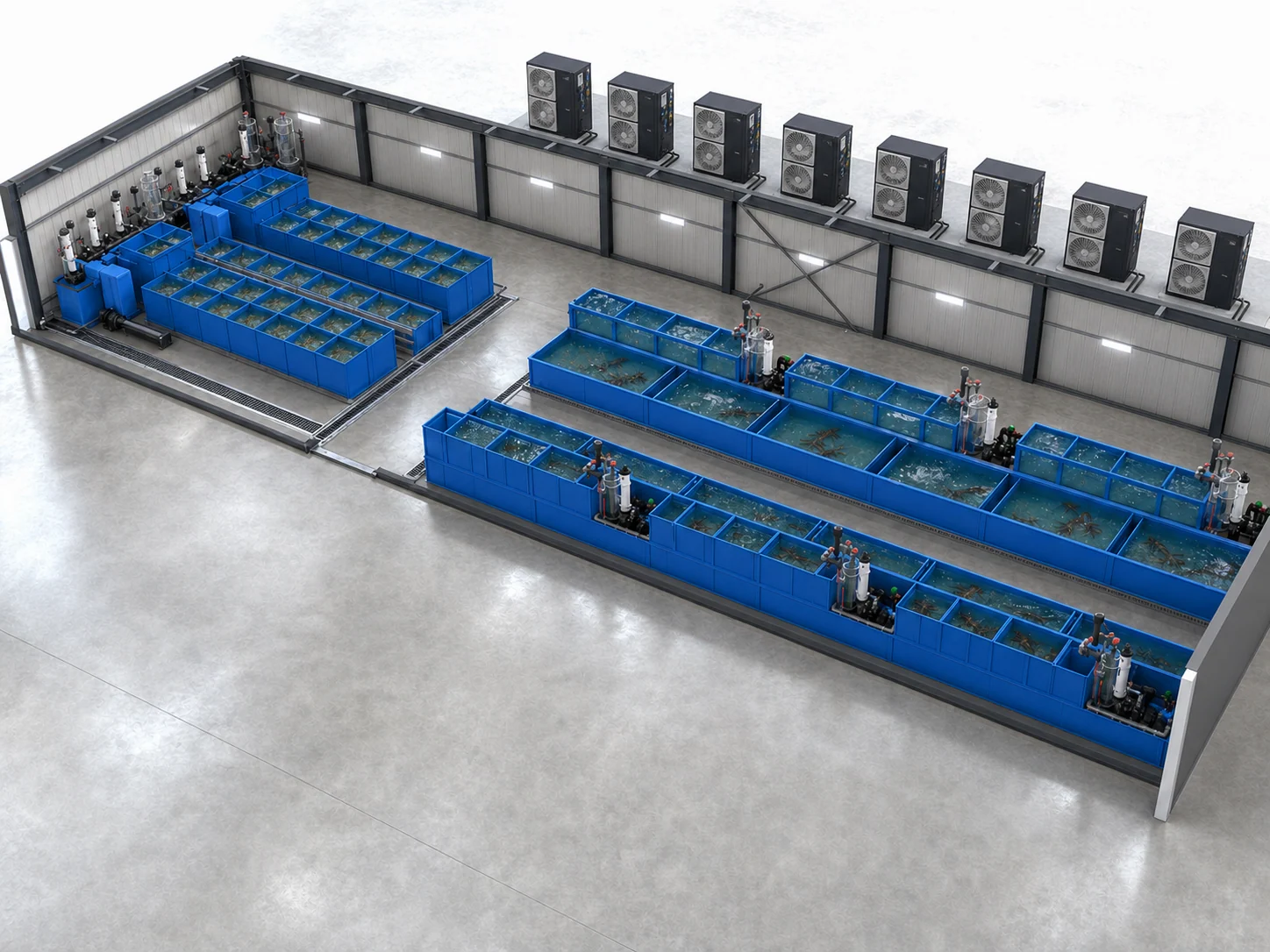
Gaosong delivered a coordinated oyster and lobster holding project for Royale Namibian Seafood Company in Walvis Bay. The equipment was planned for the factory floor, container transport and practical assembly by the client's local team.

Layout rendering of oyster and lobster holding systems for a seafood factory in Walvis Bay, Namibia
LocationCoastal Walvis Bay, Namibia
Client typeRoyale Namibian Seafood Company · royalenamibian.com
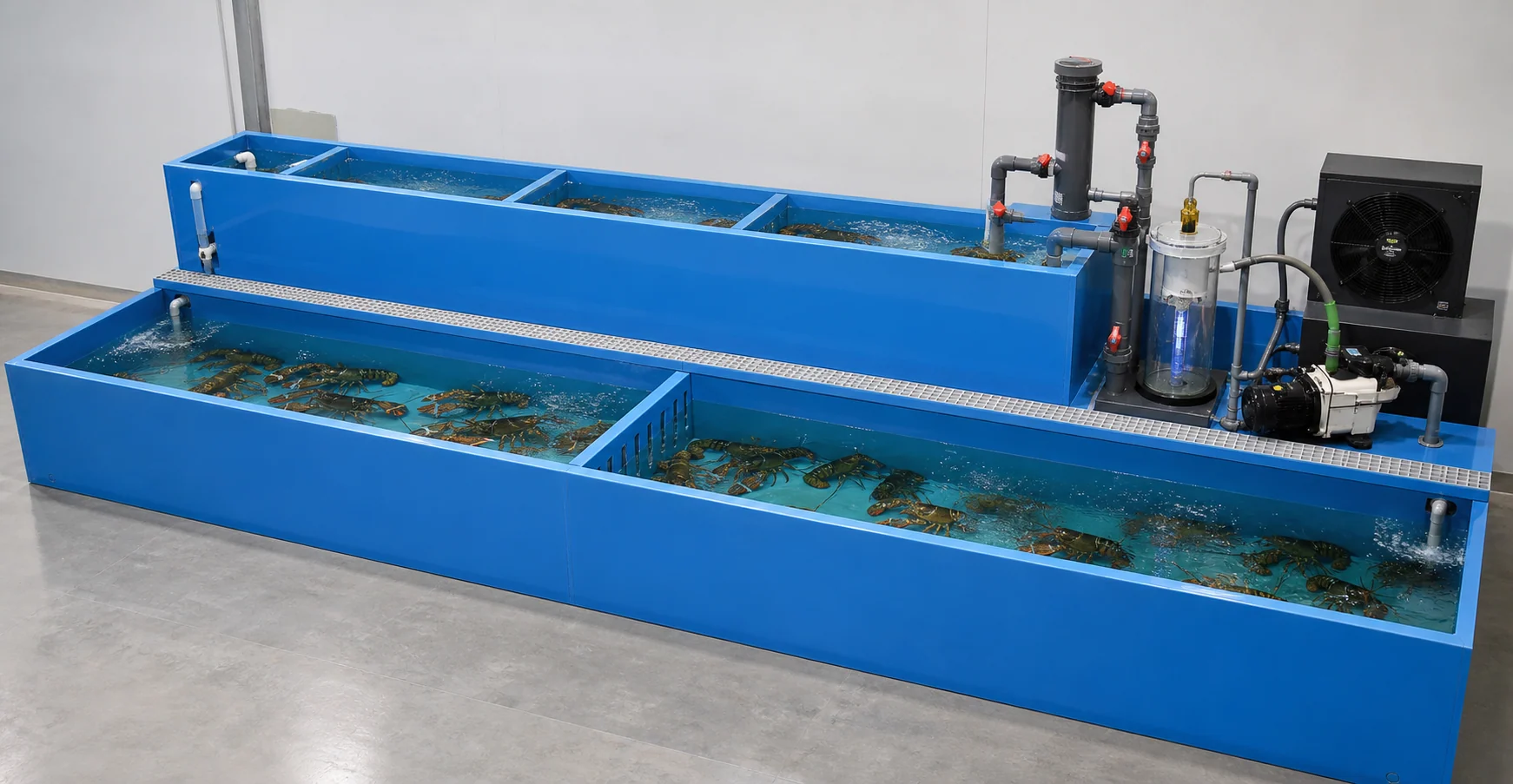
ScopeEight oyster holding systems and six lobster holding systems
Project scale14 holding systems in total
DELIVERY STRATEGY

The delivery route was designed before production began.

The factory layout, container transport requirements and local installation plan were treated as engineering inputs. They determined how the systems were divided into modules, how the recirculation connections were arranged, and how the equipment would move from factory verification to packing and reassembly.

PROJECT BRIEF

Two species within one coordinated factory layout

Royale Namibian Seafood Company required dedicated oyster and lobster holding arrangements inside the same coastal factory. Gaosong worked from the site layout and operating needs to coordinate the two groups as one project.

Because the equipment would travel to Namibia by container and be installed by a local team, the way each system would be divided, connected and reassembled had to be considered alongside the holding configuration.
FACTORY TO SITE

Verified as a complete system, shipped as prepared modules

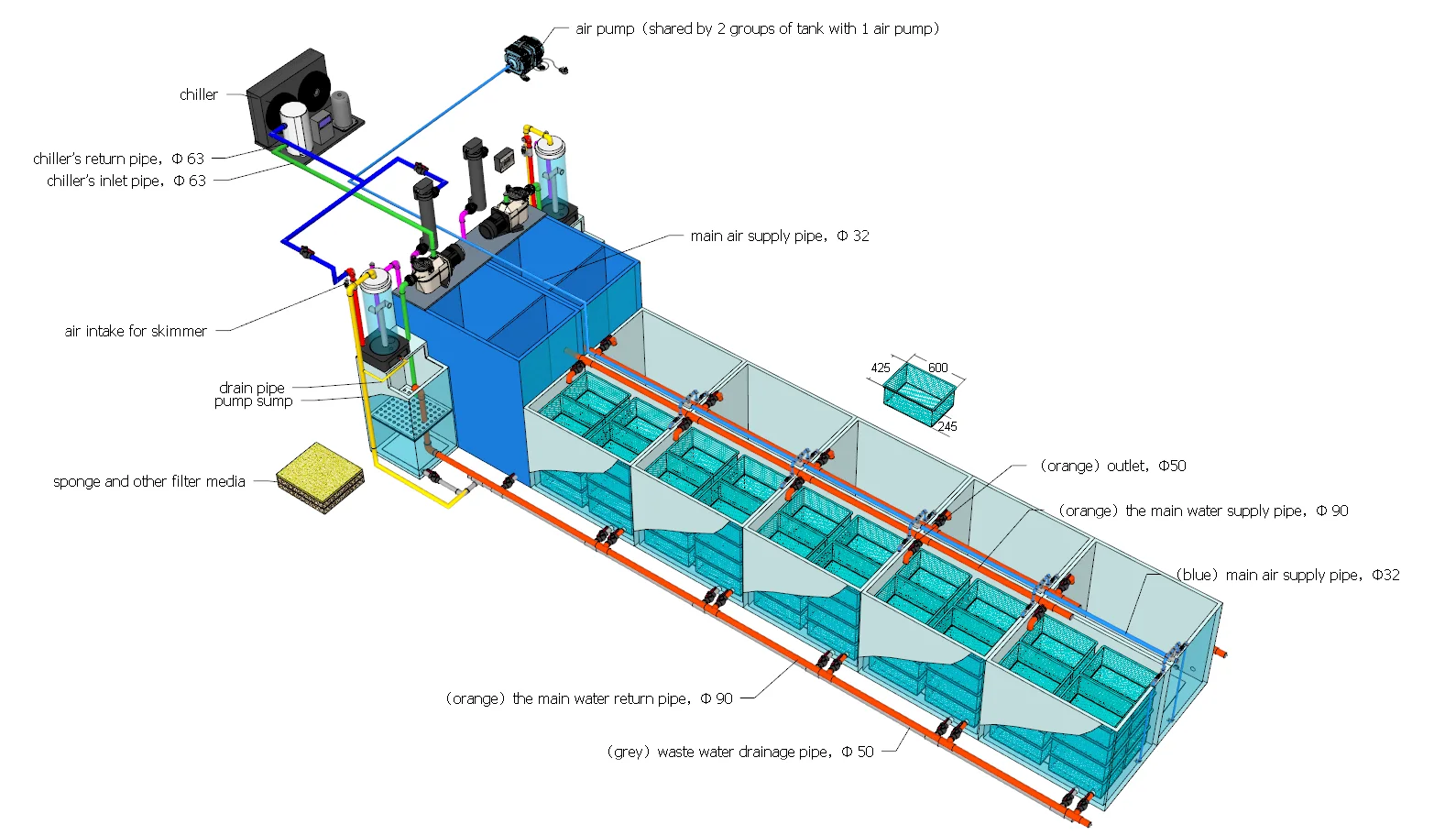
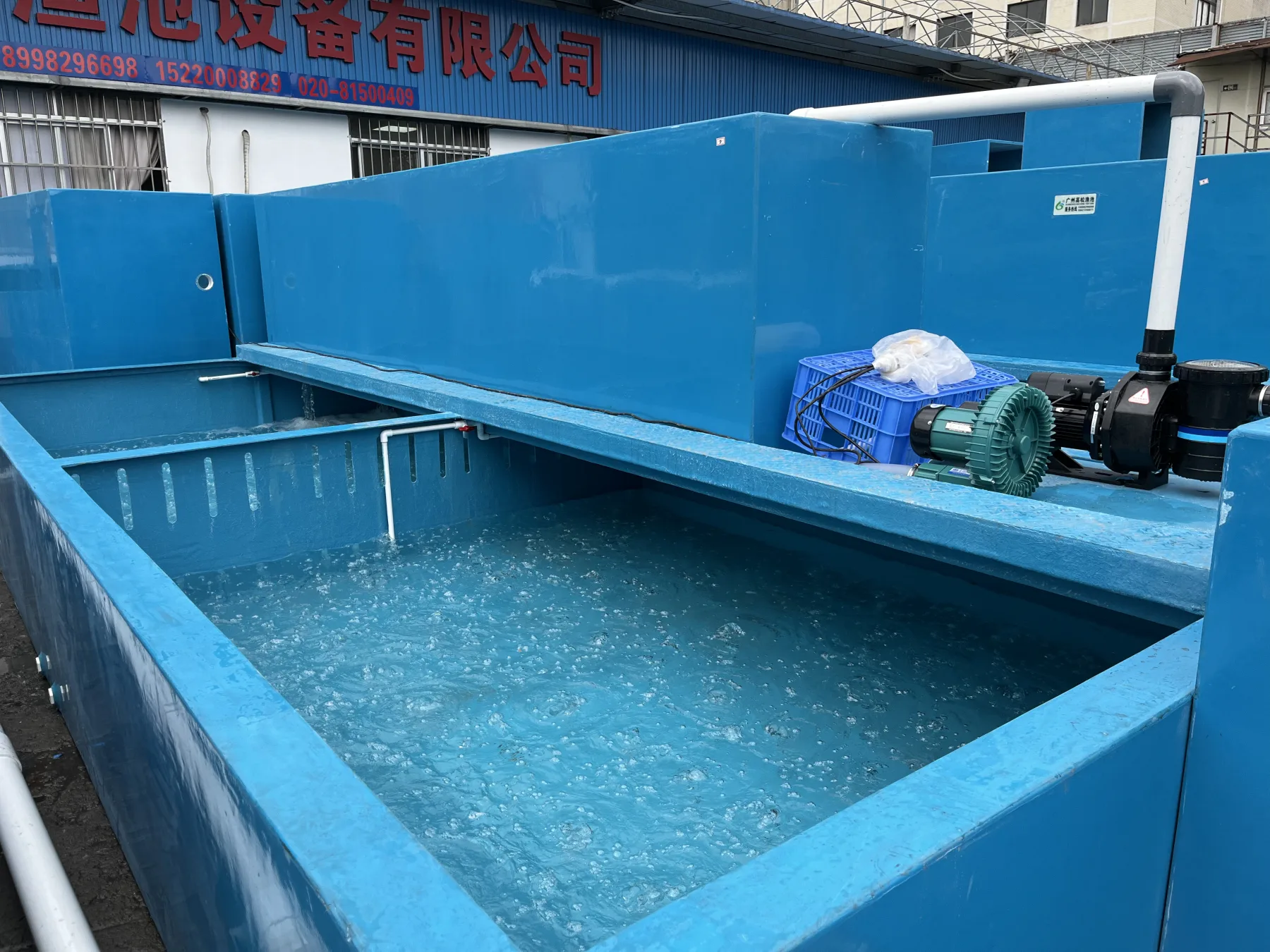
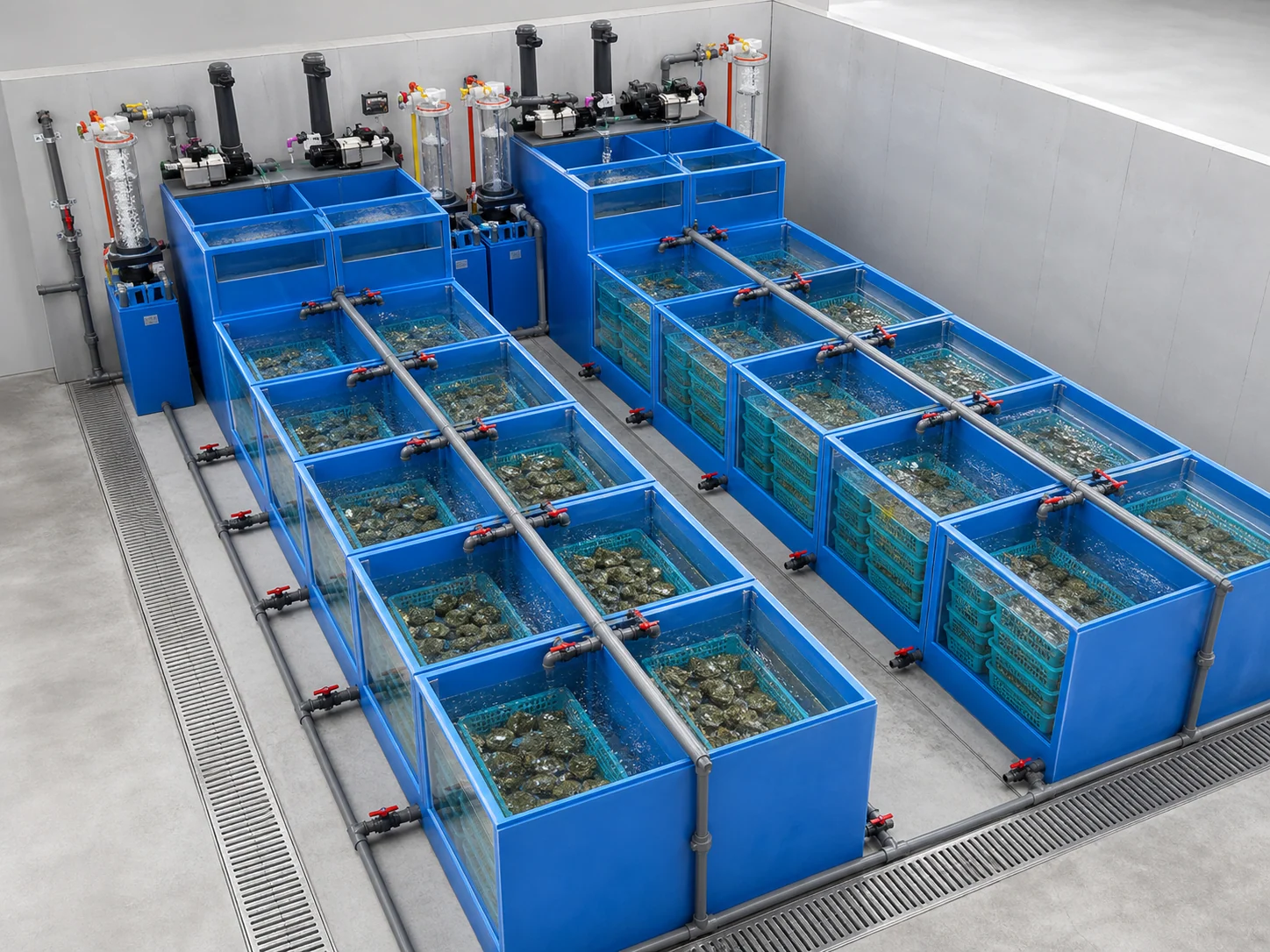
After production, all fourteen systems were assembled and commissioned at Gaosong's factory. The equipment, pipework and modules were checked together before the systems were separated and packed for sea transport.

In Walvis Bay, workers arranged by the client reassembled the prepared sections and completed the simplified recirculation connections.

System highlights
  • Dedicated oyster and lobster configurations planned together
  • Transport and destination assembly considered during design
  • Straightforward recirculation connections for on-site work
Design basisFactory layout and operating requirements
Pre-shipmentFull assembly and commissioning at the factory
TransportModular separation and container shipping
On-site assemblyWorkers arranged by the client
PROJECT VIDEO

Factory assembly and system testing

This video records the holding tanks and supporting equipment during factory assembly and testing before the modules were separated and prepared for shipment to Namibia.

Factory assembly and testing record for the Namibia holding systems
Project case studies

Project gallery

4 project images.

PROJECT QUESTIONS

Questions about this overseas holding-system project

These answers are limited to the confirmed scope and delivery record of this project.

Explore holding and water-treatment products

What should a buyer prepare for a similar project?

A useful starting point is the factory layout, species to be held, intended number of systems and the planned local installation arrangement.

Why were the systems assembled before shipping?

Factory assembly allowed the equipment, pipework and modules to be checked together before they were separated into transport-ready sections.

Can a local team assemble the system?

For this project, workers arranged by the client assembled the prepared modules and completed the simplified recirculation connections. Installation planning for another site would depend on its conditions and local team.

START A CONVERSATION

Discuss your live seafood holding project.

Three short fields are enough. Drawings, specifications and photos can follow after we reply.

Send a quick enquiry
Send an enquiry